
Spinal cord injury
support & rehabilitation
The first weeks and months following a spinal cord injury are incredibly challenging, often spent in hospital rehabilitation. Paralysis from a damaged spinal cord can lead to permanent changes affecting mobility, sensation, and bladder, bowel, or sexual function.
Funded by our dedicated members, PBF Australia proudly offers a unique Peer Support Program that supports individuals, workplaces, community groups, and sporting clubs—not only during hospital rehabilitation but throughout the ongoing journey after injury.
Our peer support team, made up of compassionate individuals living with paraplegia or quadriplegia, provides non-clinical advice, information, and emotional support to those injured, as well as their families and support networks.
We’re here to help people living with spinal cord injury move forward with confidence, independence, and hope—no matter where they are in their recovery.
Meet Our Peer Support Mentors
Our mentors have lived experience and understand the challenges that come with life-changing injuries. They’re here to provide guidance, connection and real-world support when it matters most.

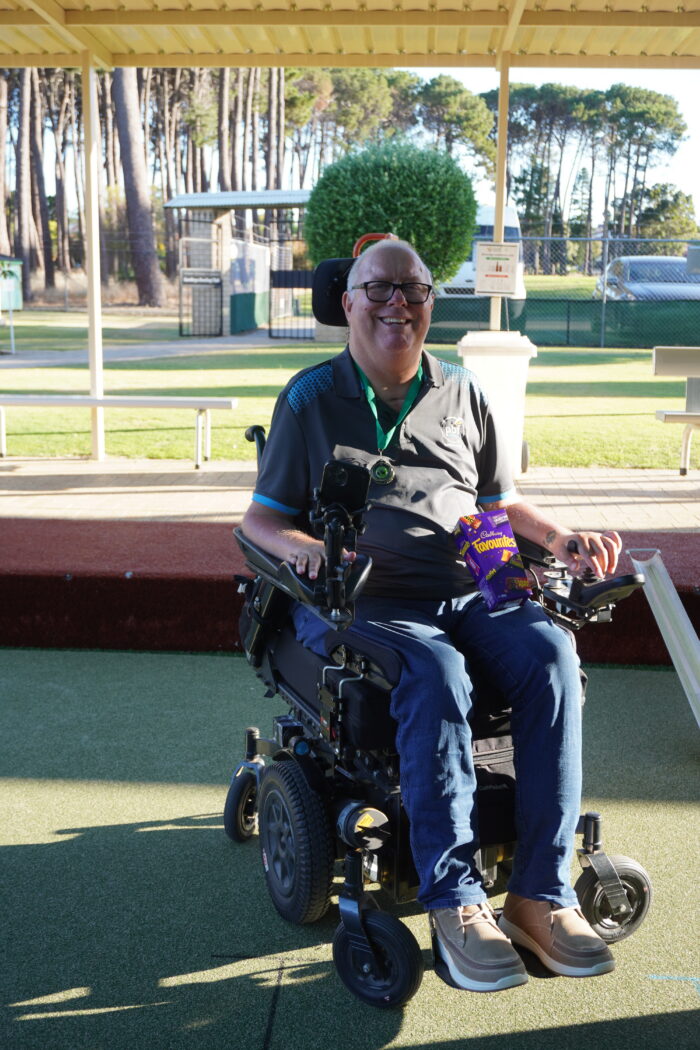
Jason Lewis
Peer Support Officer
Jason sustained a spinal cord injury whilst jumping up for the ball in a game of Aussie Rules Football.
Jason Lewis
Peer Support Officer
Jason sustained a spinal cord injury whilst jumping up for the ball in a game of Aussie Rules Football. Jason had a young family and used that for inspiration to get through the toughest time in his life. Jason found it hard when he first got home but changed his life around when he coached his football team to a premiership and has never looked back since. Jason went on to play wheelchair sports (powerchair football) and was the President for 9 years, as well as obtaining a Diploma in Community Services. Jason has never stopped living his life any different then he used to before his injury, including going camping, fishing, travelling, playing sport, concerts, spending time with family and friends. Jason now works with PBF and shares his experiences with those on the spinal ward to give them hope and let them know that there is a light at the end of the tunnel.

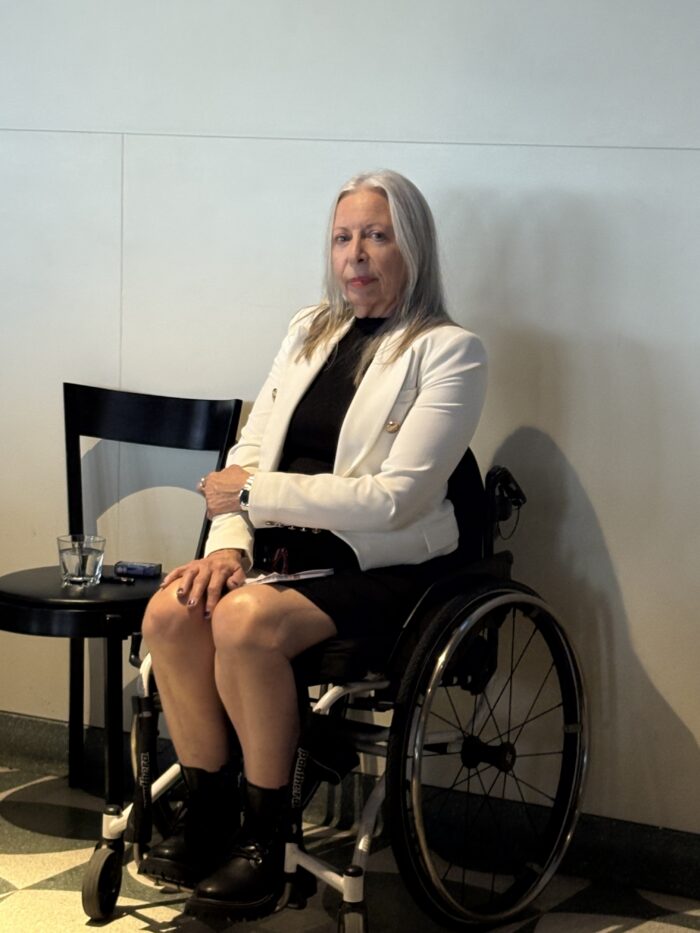
Jane Hutch
Peer Support and Wellness Coordinator
Jane sustained her spinal cordy injury after she fell from a failing balustrade.
Jane Hutch
Peer Support and Wellness Coordinator
Jane sustained her spinal cordy injury after she fell from a failing balustrade. She remembers how in the months leading up to Christmas that year, she decided to start a new chapter in her life, make big changes, and to be bold. Dealing with a spinal cord injury as a mature woman has many challenges, but Jane shares her experiences to help people to understand that embracing the challenges helps you to be strong again.

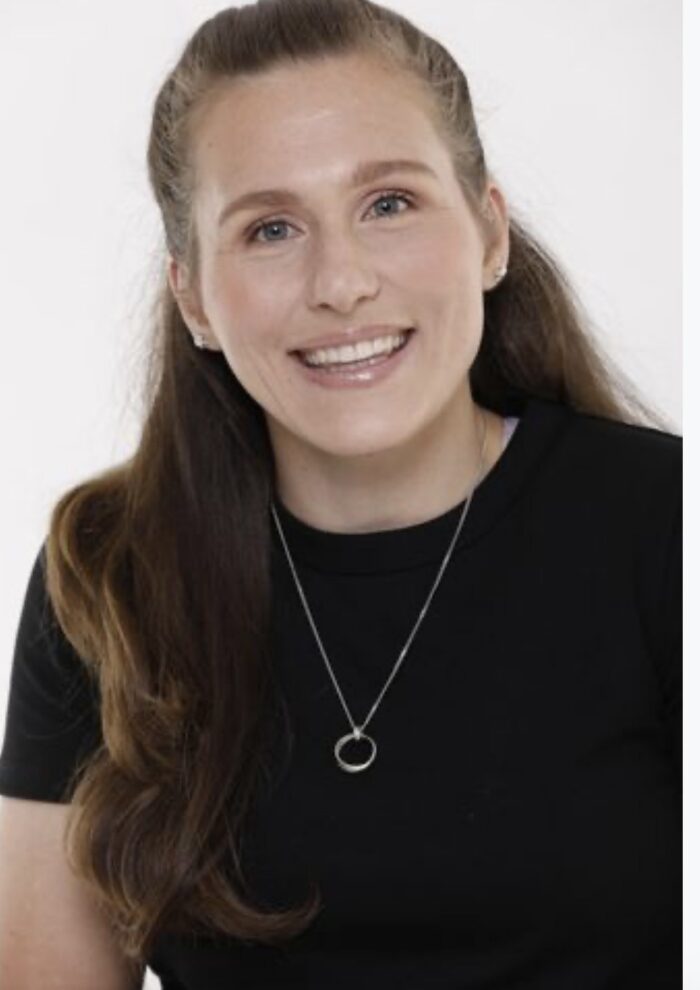
Georgia Inglis
Peer Support Mentor
Georgia sustained a spinal cord injury at 10 years old and found the early years of adjustment very challenging.
Georgia Inglis
Peer Support Mentor
Georgia sustained a spinal cord injury at 10 years old and found the early years of adjustment very challenging. Her turning point came when she discovered wheelchair basketball, where meeting others with similar experiences showed her that life could still be full of opportunity, family, sport, and adventure. Since then, Georgia has developed a passion for supporting others with spinal cord injury. She is completing her PhD which has focussed on recovery, sport participation, and wheelchair scripting, and has a growing interest in sharing her pregnancy and postpartum journey. Georgia is committed to educating and inspiring others to live fulfilling lives.
Jake Howe
Peer Support Mentor
Jake’s life changed in an instant when a playful wrestle with a friend during a 21st birthday river cruise left him with a spinal cord injury, paralysed from the armpits down.
Jake Howe
Peer Support Mentor
Jake’s life changed in an instant when a playful wrestle with a friend during a 21st birthday river cruise left him with a spinal cord injury, paralysed from the armpits down. Despite this, he has embraced new opportunities and is now a proud National ParaRugby Champion. Jake is passionate about showing others that life after injury can still be rich and rewarding—encouraging people with SCI to get involved in sport, enjoy the outdoors, and believe anything is possible.
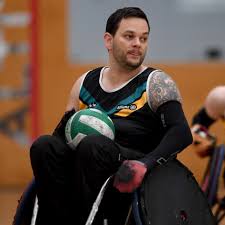

Callum Nell
Peer Support Mentor
One spontaneous decision changed everything for Callum. In September, 2020, he decided to take his dirt bike for a quick ride on the street and collided with a delivery vehicle.
Callum Nell
Peer Support Mentor
One spontaneous decision changed everything for Callum. In September, 2020, he decided to take his dirt bike for a quick ride on the street and collided with a delivery vehicle. The accident left Callum facing challenges he never imagined, but it also became a turning point. From that moment on, he made a vow. To not let the wheelchair define or limit him, Callum chose to use his experience as a source of strength and inspiration. Today, Callum’s greatest achievement is showing others that it is possible to live a fulfilling and meaningful life, no matter the obstacles.
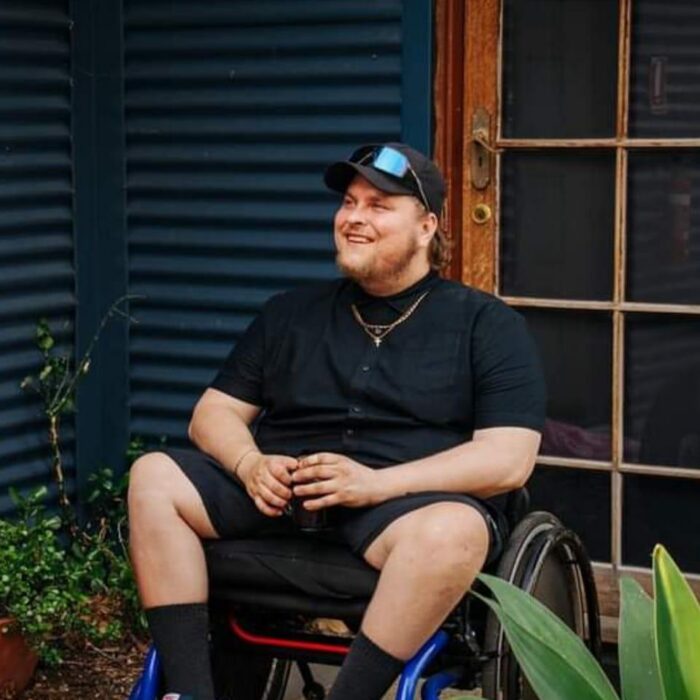

Robert Spencer
Peer Support Mentor
Resilience and perspective shape the way Robert Spencer supports others adjusting to life after spinal cord injury.
Robert Spencer
Peer Support Mentor
Resilience and perspective shape the way Robert Spencer supports others adjusting to life after spinal cord injury. After sustaining a spinal cord injury while playing rugby at the age of 17, Robert has spent much of his life demonstrating how determination, community and lived experience can guide a positive path forward. He speaks openly about the realities of adapting after injury, while also highlighting the importance of family, friends and support networks. Robert encourages people to recognise that a fulfilling life is still possible, even when circumstances change. Through honesty and authenticity, he offers hope and long-term perspective to those on a similar journey.
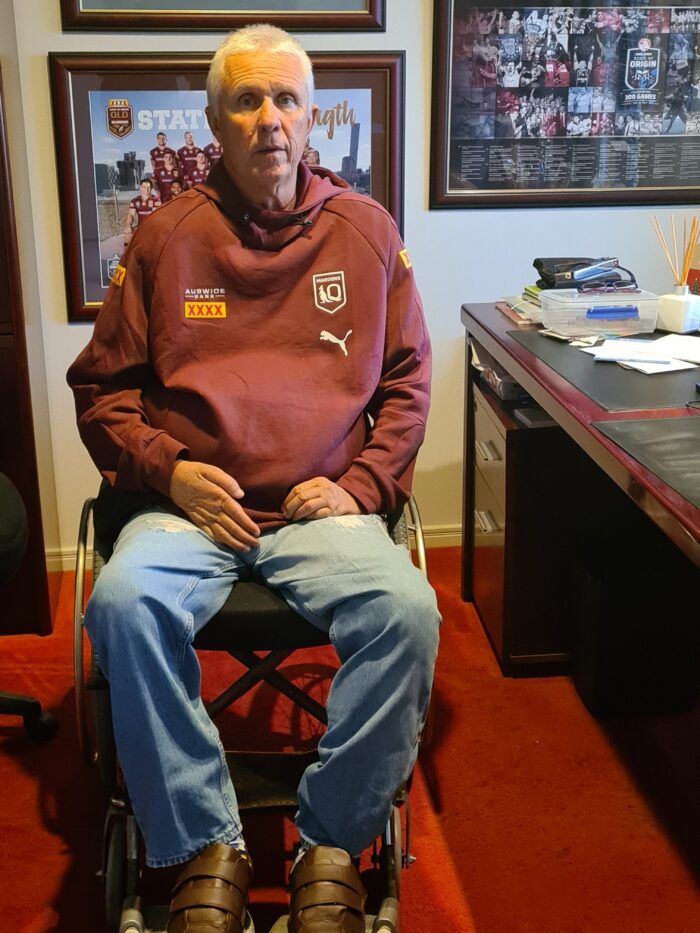

Joanna Fowler
Peer Support Mentor
With empathy, honesty and a strong belief in the power of resilience, Joanna Fowler supports others as they navigate life after spinal cord injury.
Joanna Fowler
Peer Support Mentor
With empathy, honesty and a strong belief in the power of resilience, Joanna Fowler supports others as they navigate life after spinal cord injury. Following a life-changing fall, Joanna experienced the uncertainty and challenges that come with rebuilding confidence and independence. Drawing on her lived experience, she provides encouragement, practical perspective and hope to those on a similar journey. Joanna believes resilience is something that develops over time and encourages people to celebrate progress, no matter how small. Through her authentic and positive approach, she inspires others to embrace new possibilities and move forward with confidence.
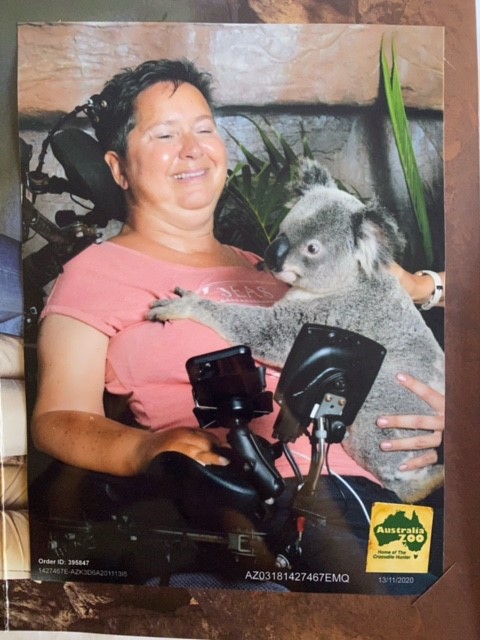
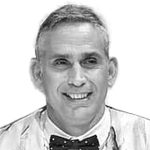
Lindsay Nott
Peer Support Mentor
Known for his calm and practical approach, Lindsay Nott helps people navigate the challenges of adjusting to life after spinal cord injury.
Lindsay Nott
Peer Support Mentor
Known for his calm and practical approach, Lindsay Nott helps people navigate the challenges of adjusting to life after spinal cord injury. After sustaining his injury in a celebratory swimming incident, Lindsay developed a deep understanding of the uncertainty, frustration and questions that often accompany recovery. Drawing on his lived experience, he shares valuable insights into rebuilding independence, maintaining perspective and focusing on what remains possible. Lindsay believes a spinal cord injury does not define a person or limit their future. Through encouragement, patience and authenticity, he inspires others to build resilience, embrace new opportunities and move forward with confidence.
Need Support?
Connect with someone who understands your journey and can travel alongside you.
ContactOur Impact
“For over 10 years, I have worked closely with the PBF peer support team on the Spinal Units at both Shenton Park Campus and Fiona Stanley Hospital. The benefits of having people who are living with a spinal cord injury providing personal knowledge and experience to newly-injured patients and their families cannot be underestimated. I have seen how patients learn and engage more with people who overcome daily challenges themselves; such as the practical skills of how to get in and out of a car, or learning how to put their jeans on in the morning. Even the most experienced spinal clinicians can’t share these little tricks and tips that the peer support team have learnt to make their own lives easier. Perhaps most importantly they provide moral support, inspiration and real life experience to our patients and their families.”
Anne Watts – Nurse Unit Manager – Spinal Rehab, WA State Rehabilitation Service (Fiona Stanley Hospital)